Candy Cane Cutie Retro Christmas Svg Review
As an embroidery designer who spends half my life troubleshooting stitch paths and the other half testing thread tension, I don’t just look at a design file; I look at how it translates from screen to fabric. When I first pulled up Candy Cane Cutie Retro Christmas Svg, my immediate reaction was one of cautious optimism. The retro aesthetic is undeniably strong, but in the world of machine embroidery, "cute" can easily turn into "muddy" if the detail level isn't managed correctly. This review breaks down exactly how this design performs in real-world production scenarios, specifically for those of us running small businesses or crafting high-end personalized gifts.
First Impressions: Mood and Visual Personality
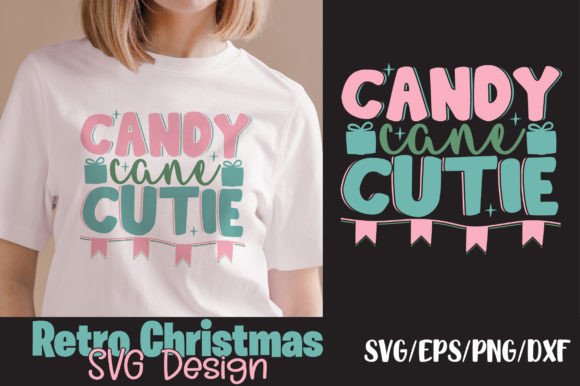
The moment you open the file, the mood is set. It’s nostalgic, playful, and distinctly seasonal without being overly cluttered. The term "Retro" here implies a specific kind of boldness—clean lines, perhaps a slightly simplified character or motif, and a color palette that screams holiday cheer. For a machine embroidery design, this clarity is your best friend. Unlike intricate, lace-like patterns that require endless trimming and patience, this design feels like it was built for efficiency and impact.
Visually, the layout suggests a central focal point that works well on chest placements or centered back designs. The visual personality is approachable, making it perfect for family-oriented products. However, as a reviewer, I am always asking: does the shape hold up when stretched over a curve? Does the negative space breathe? In this case, the answer is generally yes, provided you respect the limits of your hoop size. The design doesn't rely on microscopic details to make its statement, which is a huge plus for commercial viability.
Real-World Application: Where This Design Shines
I put Candy Cane Cutie Retro Christmas Svg through its paces with several common custom apparel items. Here is where it truly excels:
- Holiday Sweatshirts and T-Shirts: This is the bread and butter of Christmas craft fairs. The design has enough visual weight to stand out on heather grey or black fabrics without looking lost. It translates beautifully as a sweatshirt embroidery piece because the retro style complements the heavier fabric texture.
- Tote Bag Designs: Canvas bags are a staple for holiday markets. Using this as a tote bag design allows for a large, bold placement on the front panel. The simplicity of the retro style ensures that even on rougher canvas weaves, the stitching remains crisp.
- Baby Embroidery Items: Soft onesies and burp cloths benefit from this kind of gentle, non-threatening imagery. It fits perfectly into the category of baby embroidery where safety (no tiny choking hazards) and softness are paramount. The design likely avoids excessive density, making it comfortable against delicate skin.
- Kitchen Towels and Aprons: For the home decor market, this design adds a touch of whimsy. It works wonderfully as a holiday embroidery accent on linen or cotton tea towels, offering a charming alternative to traditional Santa or reindeer motifs.
For the Etsy seller or small shop product owner, this versatility is key. You aren't limited to just one type of merchandise. You can create a cohesive collection featuring this design across different product lines, from personalized gifts to boutique branding materials.
Technical Considerations and Potential Pitfalls
No design is perfect, and understanding where Candy Cane Cutie Retro Christmas Svg might struggle is crucial for maintaining professionalism. Here are the areas where you need to be careful:
Small Hoop Sizes: If you attempt to digitize or embroider this on a very small hoop (under 4x4 inches), you risk losing the integrity of the retro shapes. Small details may merge together, creating a blob rather than a distinct image. Always check the hoop size requirements before committing to small accessories like hat bands or small patches.
Fabric Texture and Stability: While the design is robust, textured fabrics like chunky knits or heavy denim can distort fine lines. If you are working with fabric texture that is highly irregular, consider using a cut-away stabilizer to prevent puckering. Additionally, thin or stretchy fabrics require extra care; the tension needs to be dialed in precisely to avoid dimpling the material around the fill stitch areas.
Dense Stitch Areas: If the design includes solid blocks of color, pay attention to the stitch density. High density on lightweight fabrics can lead to stiffness and discomfort. If the design uses a lot of satins stitches for outlines, ensure your needle is sharp and your thread quality is high to prevent breakage.
Curved Surfaces: Embroidering on caps or curved surfaces requires a specialized hoop. While the design itself is flat, applying it to a curved brim or crown can cause distortion if not stabilized properly. Test this application thoroughly before producing bulk orders.
Thread Colors and Contrast
The success of any embroidery project often hinges on thread selection. Because this is a retro design, it likely relies on classic reds, whites, and greens. On dark fabrics, you will need to use underlay stitches or a white base layer to make the colors pop. Conversely, on light fabrics, you might need to adjust the shade of white to ensure it doesn't get lost in the background. I recommend testing your thread colors on scrap fabric first to see how they interact with your specific brand's palette.
Designer’s Checklist for Production
Before you start mass-producing items with this design, run through this practical checklist to ensure your finished product meets professional standards:
- Test on Scrap Fabric: Never skip this step. Stitch the design on the exact fabric you plan to sell. Check for puckering, thread breaks, and alignment issues.
- Review Stitch Density: Zoom in on the digital preview. Are there areas where the stitches are too close together? Too far apart? Adjusting these parameters can save you hours of trimming time later.
- Inspect Small Details: Look closely at the corners and curves. Are they smooth? Do they require excessive trimming? If the design has tiny elements, consider simplifying them for better durability.
- Black and White Mockup: Convert the design to grayscale to check contrast. If the design looks muddy in black and white, it will likely look muddy in color on fabric.
- Confirm Licensing: As a commercial embroidery designer, you must verify the license terms. Can you sell finished items? Can you sell digital files? Ensure you have the right permissions to avoid legal issues.
- Stabilizer Selection: Choose the right stabilizer for your fabric type. Tear-away for stable wovens, cut-away for knits and stretchy materials.
Final Verdict
Candy Cane Cutie Retro Christmas Svg is a solid addition to any craft business arsenal. It strikes a balance between charm and technical feasibility, making it suitable for a wide range of graphics applications within the Crafts category. It is particularly effective for handmade product lines that aim for a cozy, nostalgic vibe.
While it requires standard precautions regarding hoop size and fabric choice, its versatility makes it a high-value asset. Whether you are creating a digital embroidery file for resale or using it to decorate apparel decorators inventory, this design delivers consistent results. For the creative entrepreneur looking to capitalize on the holiday season, this is a safe, stylish, and commercially viable choice. Just remember: the magic happens in the execution. Take your time with the setup, choose your threads wisely, and let the design do the talking.