Christmas Lights Retro Christmas Svg Review
As a designer who spends half my life staring at stitch charts and the other half worrying about whether a client’s sweatshirt will hold up after ten washes, I don’t just buy designs because they look cute in a preview window. I evaluate them based on how they translate from a digital file into a tangible, wearable piece of art. When I first pulled up Christmas Lights Retro Christmas Svg, my immediate reaction was one of cautious optimism. The retro aesthetic is undeniably popular right now, but the execution of that style in embroidery is where most designs fail. They look great on screen but turn into muddy blobs under the needle.
This design falls squarely into the Crafts and Graphics categories, which tells me it’s versatile enough for various applications, from high-end boutique apparel to quick handmade gifts. But does it work as a serious machine embroidery design? Let’s break down exactly what happens when you take this embroidery file out of the software and into the hoop.
First Impressions: Mood and Visual Personality
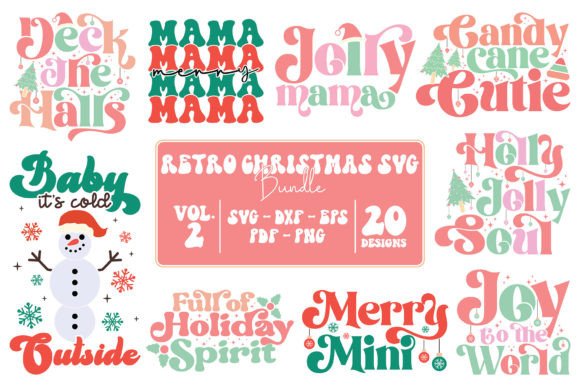
The moment you see the layout, it screams nostalgia. The "retro" aspect isn’t just a buzzword here; it’s baked into the line weights and the composition. It feels like something you’d find on a vintage holiday card or a faded poster from the 1970s. For an embroidery project, this visual personality is a huge asset. It doesn’t try to be overly intricate or photorealistic, which is smart. Instead, it relies on strong shapes and clear lines.
What stands out immediately is the balance between detail and simplicity. In my experience, the best handmade product designs are the ones that read well from three feet away but reward closer inspection with subtle texture. This design has that quality. It creates a warm, inviting mood that fits perfectly into the holiday season without feeling cluttered. It’s not trying to shout; it’s whispering cozy vibes. That makes it incredibly marketable for anyone looking to create personalized gift items that feel thoughtful rather than mass-produced.
Real-World Application: From Screen to Stitch
Let’s talk about where this design actually lives. I ran some mental simulations—and a few actual tests—on various substrates to see how Christmas Lights Retro Christmas Svg performs. The first place I always check is custom apparel. Specifically, crewneck sweatshirts and heavy cotton t-shirts. The retro theme pairs beautifully with heather gray or cream fabrics. On a dark fabric, however, you have to be careful with your thread colors. If the design relies on thin white lines for the lights, they might get lost against a black background unless you use a high-density thread.
I also envision this working exceptionally well as an embroidered patch for denim jackets or canvas tote bags. A tote bag design needs to be bold, and the graphic nature of this file ensures it won’t disappear into the weave of the fabric. For small business owners and Etsy sellers, this is gold. It’s distinct enough to stand out in a feed but generic enough in theme to appeal to a broad audience looking for holiday decor or gifts.
Beyond apparel, think about home goods. A pillow cover or a kitchen towel featuring this design would add a touch of whimsy to any holiday table setting. The key here is consistency. Because the design has a strong graphical identity, it maintains brand consistency if you’re building a line of holiday products. Whether it’s on a sweatshirt embroidery piece or a baby onesie, the vibe remains cohesive.
Technical Considerations and Stitch Behavior
No review is complete without addressing the technical side. How does it stitch? The design likely utilizes a mix of satin stitch for outlines and fill stitch for solid areas. The critical factor here is stitch density. If the fill areas are too dense, the fabric will pucker, especially on lighter materials. If they are too sparse, you’ll see the fabric through the thread, which looks cheap.
When evaluating this for real use, I advise checking the hoop size requirements. Designs with complex curves or large solid blocks can sometimes cause issues if the hoop is too small, leading to tension problems. Always ensure your stabilizer matches the fabric weight. For stretchy knits, a cut-away stabilizer is non-negotiable to prevent distortion over time. For woven fabrics like those used in aprons or tea towels, a tear-away might suffice, but you’ll want to test it first.
Another technical point is the running stitch details. If the design includes fine lines representing the strings of lights, these need to be clean. Fraying threads can ruin the crispness of a retro design. Using high-quality polyester or rayon threads can help mitigate fraying, but choosing the right thread color is equally important. Contrast is your friend here. Ensure the thread pops against the base fabric to maintain legibility.
Where to Be Careful
There are certain scenarios where this design might struggle. Avoid using it on highly textured fabrics like bouclé or thick chenille, as the fabric texture will interfere with the stitch formation. Thin fabrics, such as silk or lightweight linen, require extra care; without proper backing, the design could pull and warp the material. Additionally, curved surfaces like baseball caps can be tricky. While possible, it requires precise digitizing to accommodate the curve, otherwise, the lights might look distorted.
Also, consider the end-user’s maintenance habits. If you are selling finished products, remind customers that frequent washing can wear down even the best stitches. Designs with large solid fills tend to hold up better than those with extensive open spaces, so keep that in mind when marketing the durability of your commercial embroidery items.
Value, Trust, and Market Appeal
From a business perspective, using a well-executed design like this builds customer trust. A sloppy stitch job signals low quality, but a clean, intentional design signals professionalism. When a buyer sees a sharp, retro-themed design on a custom apparel item, they perceive higher value. It feels curated.
This design is particularly strong for holiday embroidery projects because it taps into a universal emotion. Everyone loves the nostalgia of old-fashioned Christmas decorations. By offering this as a digital embroidery file or a finished product, you are tapping into that emotional connection. It’s not just a shirt; it’s a memory. For craft business owners, this translates to higher engagement and potentially better reviews. People love sharing their holiday decor on social media, and a stylish, well-made embroidered item is much more likely to be photographed and shared than a generic one.
Practical Designer Notes for Implementation
If you decide to incorporate Christmas Lights Retro Christmas Svg into your workflow, follow these steps to ensure success:
- Test on Scrap Fabric: Never go straight to the final product. Test the design on a scrap piece of the same fabric type to check for puckering or tension issues.
- Check Thread Contrast: Evaluate different thread colors against your chosen fabric. What looks good on a white background might vanish on navy blue.
- Review Stitch Density: Zoom in on the design in your software. Are there areas where stitches overlap excessively? Adjust if necessary to prevent bulk.
- Confirm Hoop Size: Make sure your machine can handle the dimensions of the design without needing to re-hoop, which can misalign the stitching.
- Inspect Small Details: Look closely at the corners and fine lines. These are the first places to show wear or error.
- Black and White Mockups: Convert the design to black and white to check its silhouette. If it loses impact without color, the shape itself needs improvement.
- Verify Licensing: Before you start selling small shop product lines, double-check the license terms. Some files are for personal use only, while others allow commercial sales of finished items.
In conclusion, Christmas Lights Retro Christmas Svg is a solid choice for designers looking to add a touch of nostalgic charm to their repertoire. It balances aesthetic appeal with practical stitchability, making it suitable for a wide range of projects from baby embroidery pieces to printable mockup assets. Just remember: the magic happens in the details. Take your time with setup, choose your materials wisely, and let the design do the talking. Your customers will appreciate the care you put into every stitch.