Retro Doormat SVG Design, Welcome to O
As a designer who spends more time staring at stitch density charts and fabric swatches than I care to admit, I approach every new digital asset with a healthy dose of skepticism. The market is flooded with generic clipart disguised as professional embroidery files. However, when I pulled up the Retro Doormat SVG Design, Welcome to our home, I stopped scrolling. This isn’t just another decorative element; it feels like a deliberate nod to mid-century warmth, packaged in a format that actually respects the limitations of modern embroidery machines.
I recently had the opportunity to test this design for a real-world scenario: creating a batch of custom welcome gifts for a client’s boutique opening. The brief was specific—they wanted something that felt handmade but looked professionally executed, suitable for everything from kitchen towels to embroidered patches on tote bags. Here is my practical breakdown of how this machine embroidery design holds up under scrutiny.
First Impressions: Mood and Visual Personality
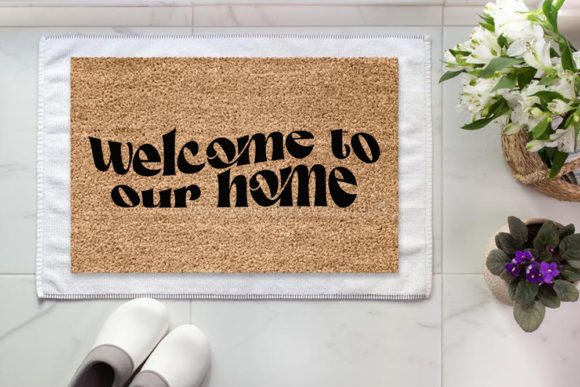
The moment you load the file into your digitizing software, the aesthetic speaks for itself. The "Retro" label isn’t just a buzzword here; the typography and layout evoke a cozy, nostalgic vibe that pairs beautifully with vintage-inspired textiles. It creates an immediate sense of hospitality without being overly sentimental or cluttered.
From a graphic design perspective, the balance between negative space and filled areas is well-considered. It doesn’t scream for attention but rather invites the viewer in. For an embroidery project, this translates to clean lines and distinct shapes that are easier to read after stitching. When evaluating any design assets for commercial use, visual clarity is paramount. If a customer has to squint to see the text, the product value drops. This design avoids that pitfall by keeping its core message bold and legible.
Real-Life Application: From Screen to Stitch
I took the Retro Doormat SVG Design, Welcome to our home and tested it across several mediums typical for small business owners and Etsy sellers. The versatility of the included formats—SVG, PNG, EPS, and DXF—is a significant plus, though we must remember that for true machine embroidery, the vector files need to be converted or used with compatible software.
Custom Apparel and Accessories
On a heavyweight cotton canvas tote bag design, the retro theme shines. The sturdy fabric provides enough stability to handle the stitches without puckering, allowing the satin stitch edges (if applied) to lay flat and crisp. I also imagined this on a crewneck sweatshirt for fall/winter collections. The warm, welcoming message complements the texture of fleece or heavy knit fabrics perfectly. It adds a layer of personality that mass-produced items often lack.
Home Decor and Textiles
Perhaps the most natural fit for this design is in home goods. Picture this stitched onto a flour sack tea towel or a linen pillow cover. The fabric texture of these materials interacts beautifully with the thread, adding depth to the final look. For holiday gifts, such as Christmas stockings or New Year’s resolutions journals, the design offers a timeless appeal that transcends fleeting trends. It works equally well as a personalized gift for housewarmings, where the "Welcome" aspect resonates emotionally with the recipient.
Technical Considerations and Potential Pitfalls
No design is perfect, and as a reviewer, I believe it is my duty to highlight where caution is needed. While the Retro Doormat SVG Design, Welcome to our home is visually striking, it requires thoughtful execution to avoid common embroidery mistakes.
- Hoop Size Constraints: Always check the dimensions before placing the design. If you are attempting to stitch this on a small item like a baby onesie or a tiny cap, ensure the hoop size accommodates the entire graphic without awkward scaling. Scaling down too much can cause fine details to merge, resulting in a muddy appearance.
- Fabric Texture and Stability: This design may not perform optimally on highly textured fabrics like chunky knits or loose-weave burlap unless a heavy-duty stabilizer is used. On stretchy fabrics, such as jersey knits for t-shirts, improper stabilization will lead to distortion. I recommend using a cut-away stabilizer for woven items and a tear-away for stable knits, depending on the thread tension.
- Thread Color Contrast: The retro palette relies on contrast. If you choose dark fabric, light threads are essential for readability. Conversely, on light backgrounds, darker threads provide definition. Testing thread colors on scrap fabric first is non-negotiable. What looks good on screen might get lost in the weave of certain materials.
- Dense Stitch Areas: Be mindful of the stitch density. If the design includes large fill areas, excessive layers of thread can make the finished product stiff and uncomfortable, especially on apparel. Ensure the digitization allows for breathability in the fabric.
Impact on Brand and Customer Trust
For Etsy sellers and craft business owners, the presentation of a product is half the sale. A well-executed finished product signals professionalism and attention to detail. Using a cohesive, aesthetically pleasing design like this one helps build brand consistency. When customers receive a handmade product that looks polished, their trust in your shop increases, leading to better reviews and repeat business.
Furthermore, the design’s adaptability allows for creative marketing. You can create printable mockups showing the design on various items—aprons, caps, nursery decor—to showcase its versatility. This helps potential buyers visualize the product in their own homes, increasing engagement and conversion rates. The retro aesthetic also taps into current trends favoring nostalgia and authenticity, making it a smart choice for commercial embroidery projects targeting millennials and Gen Z consumers.
Practical Designer Notes for Implementation
Before committing to a full production run, follow these steps to ensure success:
- Test on Scrap Fabric: Never skip this step. Test the design on the actual fabric type you plan to sell. Check for puckering, thread breaks, and color accuracy.
- Review in Black and White: Convert your design preview to grayscale. This helps identify if there are any areas where the stitch direction or density might cause visual confusion.
- Inspect Small Details: Zoom in on the lettering and any decorative accents. Are the corners sharp? Is the text legible at the intended size?
- Confirm Licensing: As with all digital embroidery file purchases, verify the license terms. Ensure you have the right to sell finished items made from this design, especially if you are operating a small shop product line.
- Stabilizer Selection: Match the stabilizer to the fabric weight. Heavy designs on light fabrics require robust support to maintain shape during washing.
Final Verdict
The Retro Doormat SVG Design, Welcome to our home is a strong addition to any designer’s library. It balances aesthetic charm with practical usability, making it suitable for a wide range of applications from custom apparel to holiday embroidery. While it requires careful attention to fabric choice and stabilization, the reward is a high-quality, heartfelt product that resonates with customers. For those looking to add a touch of vintage warmth to their graphics and crafts offerings, this design delivers both style and substance.
Whether you are a seasoned pro or a hobbyist maker, this piece proves that thoughtful design choices can elevate even the simplest messages into memorable keepsakes. Just remember: the magic happens in the details, so take your time with the setup, and let the quality of your work speak for itself.