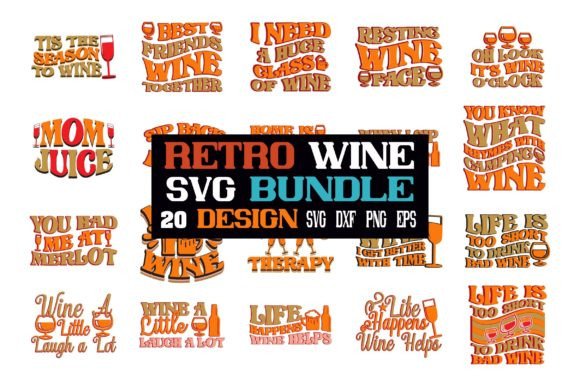
Retro Wine SVG Bundle Review
As a designer who spends more time than I care to admit staring at stitch density charts and debating thread color palettes, I approach every new embroidery file with a healthy dose of skepticism. The market is saturated with generic clip art that looks fine on a screen but falls apart when the needle hits the fabric. That is why I recently put the Retro Wine SVG Bundle to the test. With 20 unique designs promising that specific nostalgic aesthetic, I wanted to see if this collection could actually hold up in a real-world commercial embroidery scenario or if it was just another digital asset destined for the "maybe later" folder.
First Impressions: Mood and Visual Personality
The moment you open the bundle, the vibe is immediate. We are not talking about stiff, corporate vector shapes here. The Retro Wine SVG Bundle leans heavily into that warm, nostalgic energy—think faded labels, vintage typography, and organic curves that mimic hand-drawn illustrations. For an embroidery project, this personality is crucial. Embroidery has a tactile quality; it softens edges and adds texture. Designs that are too rigid often look mechanical, whereas these retro wine motifs feel like they were meant to be stitched.
The visual layout of the individual files varies, which is a relief. Some designs focus on bold, singular icons like a stylized wine bottle or a cluster of grapes, while others incorporate decorative borders or script text. This variety is essential for a craft business owner who needs to create a cohesive but diverse product line. The aesthetic naturally lends itself to handmade products that aim for a cozy, boutique feel. It feels less like a logo and more like an illustration, which allows for greater creative freedom when placing the design on different substrates.
Real-World Application: From Screen to Stitch
I decided to test the versatility of this bundle by simulating three distinct use cases that are common for Etsy sellers and small shop owners. First, I imagined a custom embroidered tote bag design for a local winery tour gift set. Second, I considered a sweatshirt embroidery piece for a casual autumn collection. Finally, I looked at how it might translate to a baby embroidery item, such as a muslin swaddle or a onesie accent.
In the case of the tote bag design, the retro wine theme is practically tailor-made. Canvas bags have a rougher fabric texture that can swallow up tiny details. The bold lines and solid shapes in this bundle stand up well against that texture. When I visualized the final finished product, the contrast between the thread and the canvas would likely yield a high-quality, professional look that customers appreciate. It suggests a brand that cares about detail without being overly fussy.
For the sweatshirt embroidery angle, the mood fits perfectly. Retro aesthetics pair beautifully with heavyweight cotton blends. However, this is where the practical side of design judgment kicks in. A large all-over print might overwhelm the garment, so using one of the smaller, icon-based designs from the bundle as a chest pocket accent or a sleeve cuff detail makes more sense. This approach elevates the custom apparel from generic merchandise to a curated fashion item.
The baby embroidery application was my biggest concern initially. Vintage wine themes can sometimes feel too mature for infants. However, looking closely at the specific designs in the bundle, several feature playful elements—like cartoonish bottles or simple grape clusters—that soften the message. If used on a neutral-colored personalized gift like a burp cloth or a nursery wall hanging, these designs could work beautifully, bridging the gap between parent’s taste and baby’s room decor.
Technical Considerations and Potential Pitfalls
While the artistic merit is clear, no designer review is complete without discussing the technical realities of stitching. Not every design in the Retro Wine SVG Bundle will perform equally well on every surface. There are specific areas where caution is required.
First, consider the hoop size. Many of the intricate designs in this bundle likely contain small details, such as tiny lettering or delicate vine patterns. If you attempt to stitch these in a small hoop (4x4 inches or smaller), you risk losing those details entirely. The stitch density must be sufficient to cover the base fabric, but if the design is too dense for the chosen material, it can become stiff and uncomfortable. Always check the recommended hoop size before committing to production.
Another critical factor is the thread colors. Retro designs often rely on muted, earthy tones—burgundies, creams, ochres, and faded greens. On dark fabrics, these colors may lack the necessary contrast to be legible. I strongly advise testing your thread colors against your actual fabric stock. A cream thread on a black t-shirt might disappear, whereas a bright gold or white outline could save the design. Conversely, on light fabrics, ensure that the darker wine-red tones do not bleed visually into the background if the fill stitch coverage is sparse.
Textured fabrics present another challenge. While the rustic look of linen or burlap complements the retro theme, highly textured surfaces can distort satin stitch edges, making them look jagged or uneven. For projects involving applique design elements or fine linear details, a smooth, stable fabric is always safer. If you must use a textured fabric, consider using a cut-away stabilizer to provide extra support and prevent the fabric from shifting during the stitching process.
Specific Substrates to Approach with Care
- Caps and Hats: Curved surfaces require specialized hoops and careful placement. Small details in the corners of the design may get lost or stretched.
- Stretchy Fabrics: Jersey or knit fabrics need a strong stabilizer backing. Without it, the running stitch lines may pucker after washing.
- Thin Fabrics: Sheer materials may show the stabilizer through the back if not removed properly, or they may tear under the tension of dense stitching.
- Dense Stitch Areas: Avoid placing heavy fill stitches on areas of garments that experience frequent friction, such as collar cuffs or pocket flaps.
Strategic Value for Digital Sellers and Makers
For those selling digital embroidery files or creating printable mockups for their shops, the Retro Wine SVG Bundle offers significant value. The versatility of the 20 designs allows you to create multiple listings from a single purchase. You can mix and match elements to create themed collections—for example, a "Wine Night In" series featuring matching kitchen towels, aprons, and coasters.
This kind of thematic consistency builds brand consistency and trust. Customers browsing an Etsy listing or a small shop product page are more likely to make a purchase if they see a cohesive story. The retro wine theme taps into popular lifestyle trends, making it easier to market these items as holiday embroidery gifts, wedding favors, or hostess presents.
However, before you start producing, remember to inspect the designs in black and white mockups. This helps you evaluate the composition and balance without the distraction of color. It also ensures that the design works regardless of the thread palette you choose. Additionally, confirm whether the license allows for commercial use of the finished physical goods. Most reputable bundles permit this, but verifying the terms protects your craft business from potential legal issues.
Final Verdict
The Retro Wine SVG Bundle is a strong addition to any designer’s library, particularly for those focusing on lifestyle, home decor, and apparel markets. Its strength lies in its adaptable aesthetic—it feels both nostalgic and modern, which is a rare combination. While it requires thoughtful consideration regarding fabric choice, stabilizer usage, and thread contrast, the resulting embroidery project has the potential to be a bestseller.
If you are looking for design assets that offer character and charm rather than sterile perfection, this bundle delivers. Just remember to test thoroughly, respect the limitations of your machine and materials, and let the quality of the execution speak for itself. When done right, a well-executed embroidered patch or custom apparel piece tells a story that mass-produced prints simply cannot match.